Elastic Band Force Extension Graph
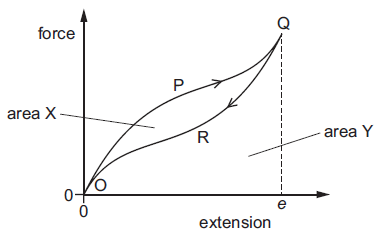
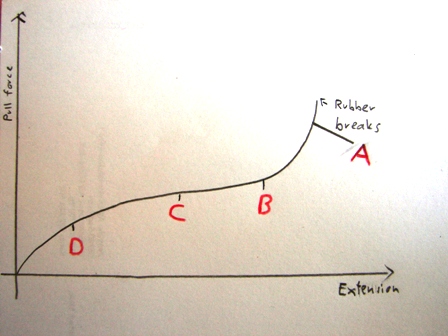
Physics Reference A Rubber Band Is Stretched And Then Relaxed To Its Original Length The Diagram Shows The Force Extension Graph For This Process
Force Extension Graph For Rubber The Student Room
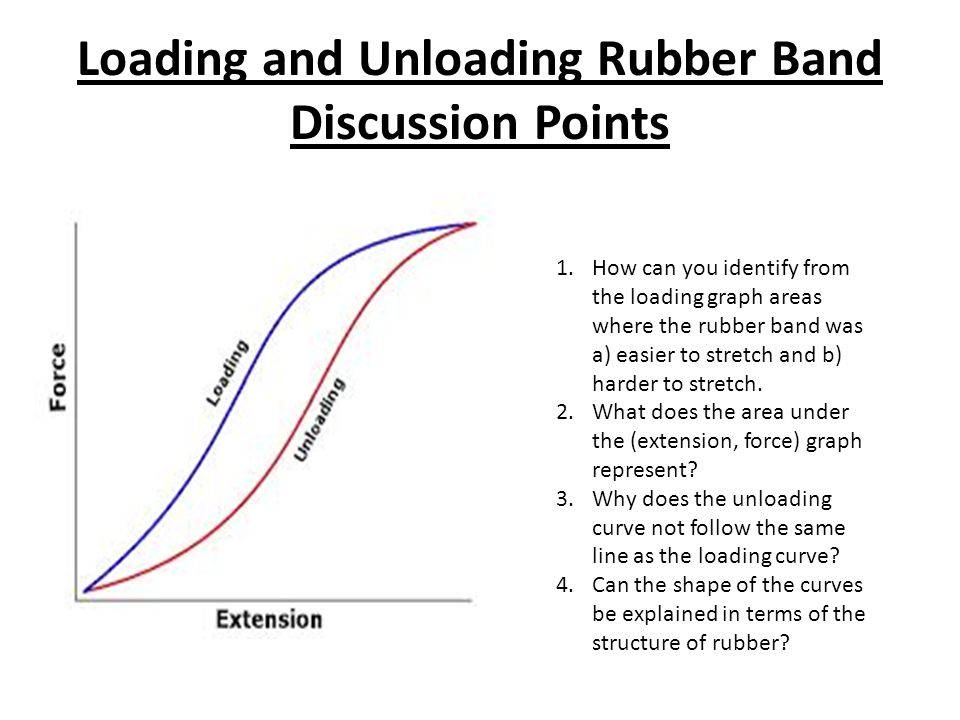
Loading And Unloading Rubber Band Discussion Points Ppt Video Online Download
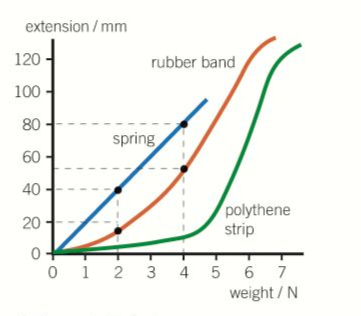
As Physics Chapter 11 Notes Materials A Level Notes
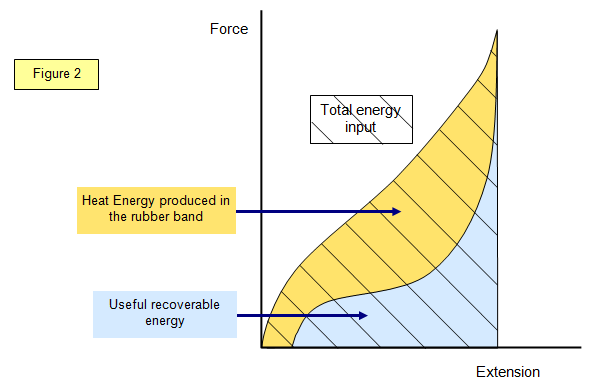
Schoolphysics Welcome
How To Draw A Graph For Young S Modulus For A Stretched Rubber Band That Is Under A Constant Force Quora

Non linear extension and plastic.
Elastic band force extension graph. The variables of the equation are. Deformation can be seen above the elastic limit. It will be easier to compress this rubber then expand it ii. Of a material or a spring is its increase in length when pulled.
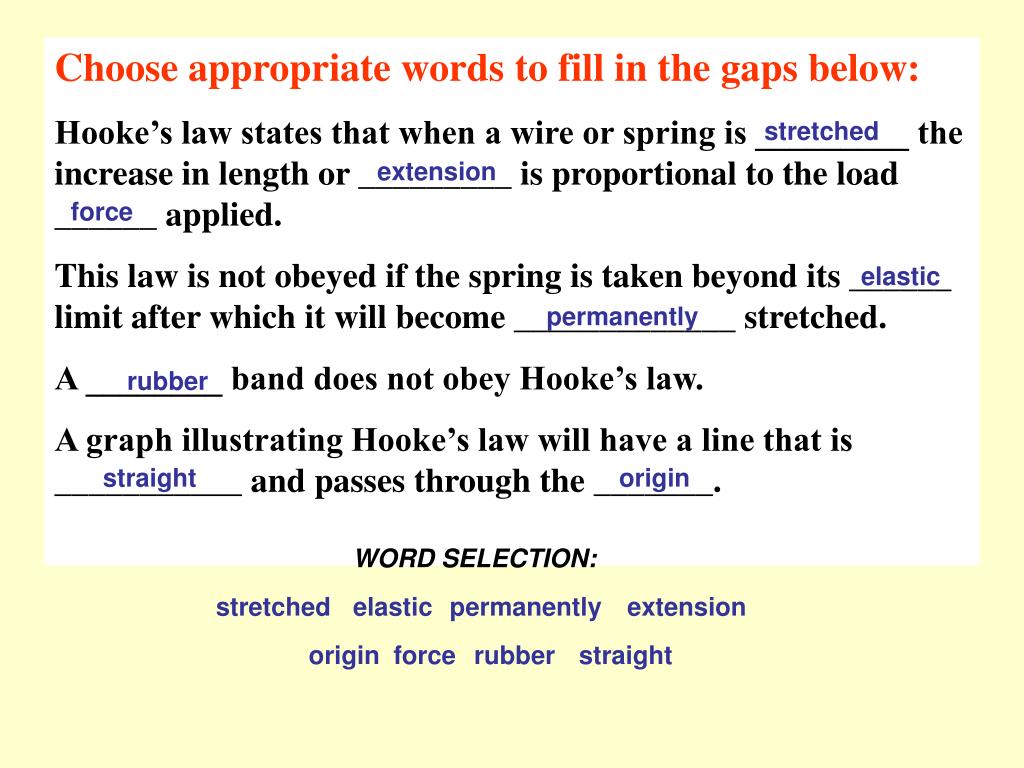
If you repeatedly stretch and release a rubber band you can feel the effect of heating caused by hysteresis. This works until the limit of proportionality is exceeded. The gradient of a force extension graph before the elastic limit is equal to the spring constant. The graph shows the behaviour of a length of wire in the region for which the substance obeys hook s law.
This works until the limit of proportionality is exceeded. To the force applied. For example if the force is doubled the extension doubles. P and q represent a p applied force q extension b p extension q applied force c p extension q stored elastic energy d p stored elastic energy q extension.
Rubber does not return to its original length after it is stretched iii. The minus sign shows that this force is in the opposite direction of the force that s stretching or compressing the spring. For example if the force is doubled the extension doubles. Click here to get an answer to your question the diagram shows a force extension graph for a rubber band.
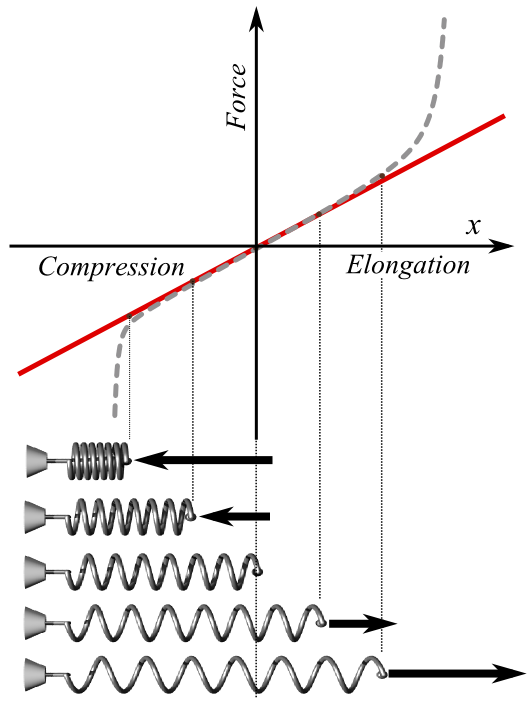
Hooke s law says that the extension of an elastic object is directly proportional to the force applied to it. When an elastic object is stretched beyond its limit. F which represents force k which is called the spring constant and measures how stiff and strong the spring is and x is the distance the spring is stretched or compressed away from its equilibrium or rest position. Consider the following statements.
The rubber band will get heated if it is stretched and released which of these can be deduced from the graph.

The Diagram Shows A Force Extension Graph For A Rubber Band Consider The Following Statements I It Will Be Easier To Compress This Rubber Then Expand It Ii Rubber
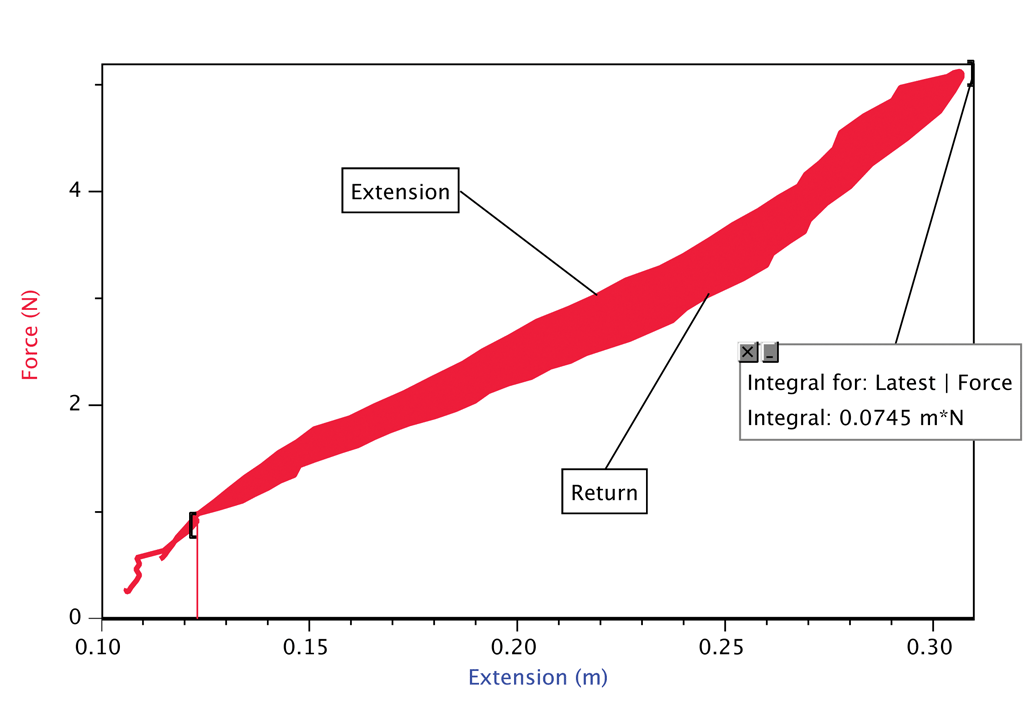
Elastic Hysteresis Of A Rubber Band
Https Pmt Physicsandmathstutor Com Download Physics A Level Notes Ocr A 3 Forces And Motion Detailed 3 4 20materials Pdf
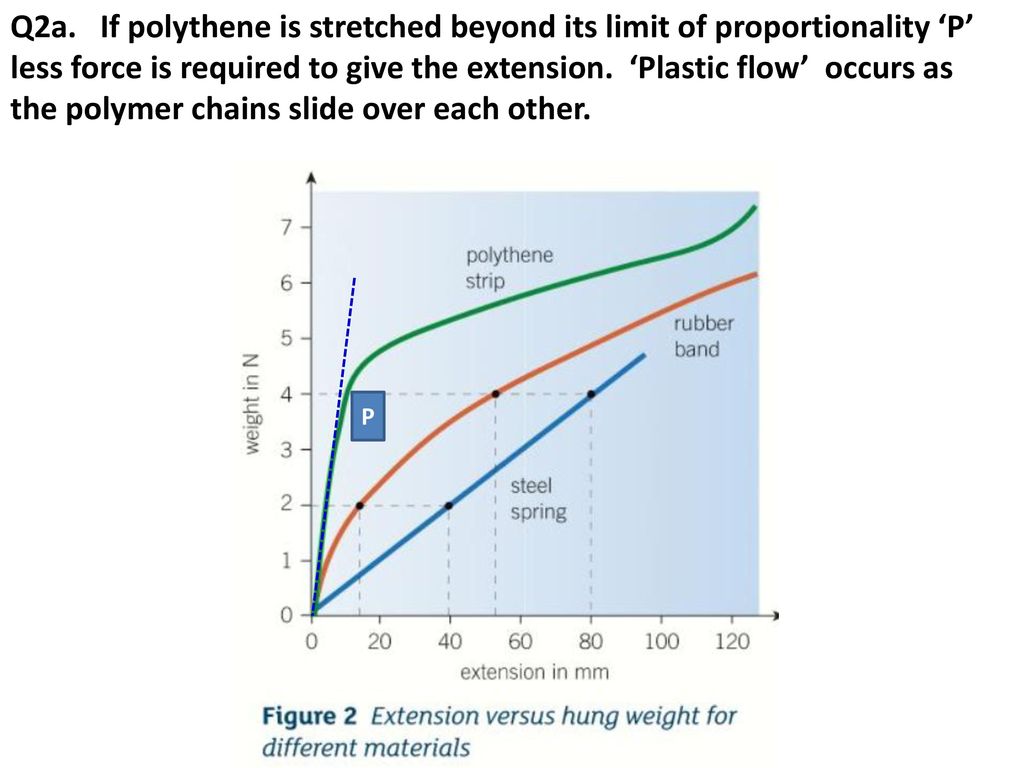
10 8 Forces And Elasticity Q1a The Limit Of Proportionality Of A Spring Is Where The Extension Is No Longer Proportional To The Applied Force Ppt Download
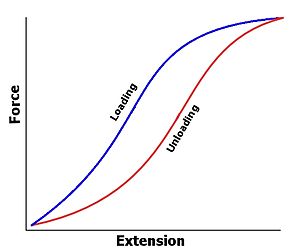
Energy Chubby Revision As Level

The Force You Exert On Pulling Back A Rubber Band Which Will In Turn Catapult An Empty Margarine Tub Affect The Distance Which The Margarine Tub Will Travel A Level Science

Forces In Practice Terminal Velocity Spring Extension Scienceaid

The Diagram Shows A Force Extension Graph For A Rubber Band Consider The Following Youtube
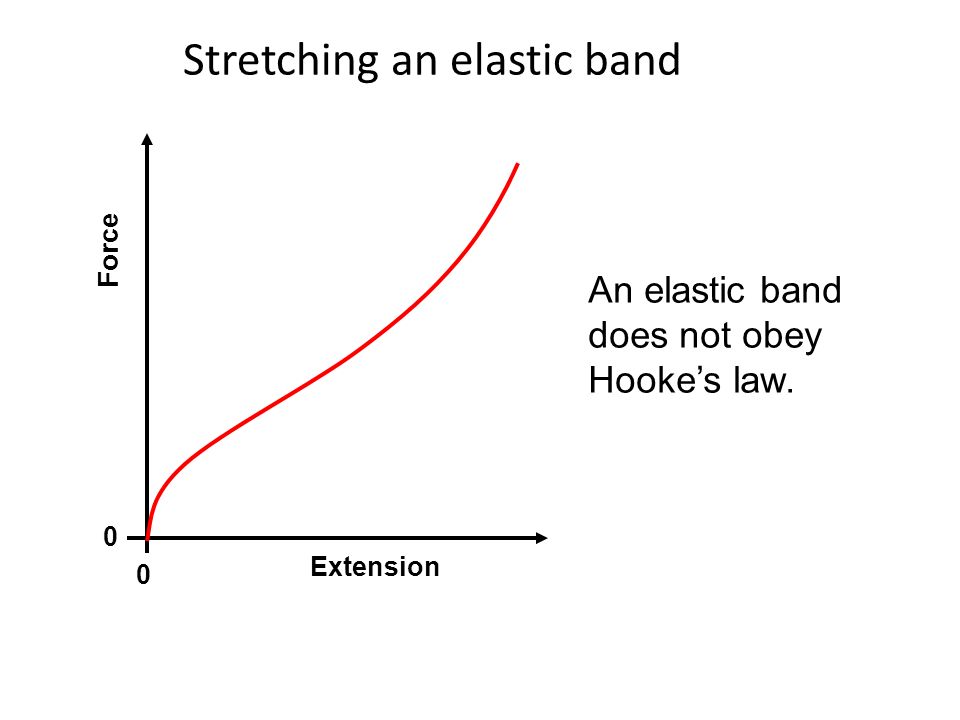
Igcse Physics Forces Hooke S Law Ppt Video Online Download

How Does One Maximize Tension In A Rubber Band Quora
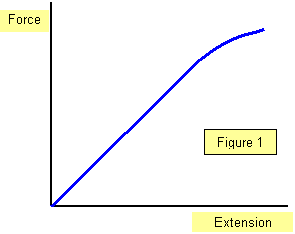
Igcse Physics 1 29 Describe Experiments To Investigate How Extension Varies With Applied Force For Helical Springs Metal Wires And Rubber Bands

Physics Gcse Revision Force Vs Extension Graphs Youtube
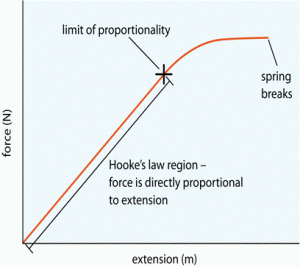
1 22 Practical Investigate How Extension Varies With Applied Force For Helical Springs Metal Wires And Rubber Bands Tutormyself Chemistry

Elasticity Stress Strain And Fracture Boundless Physics
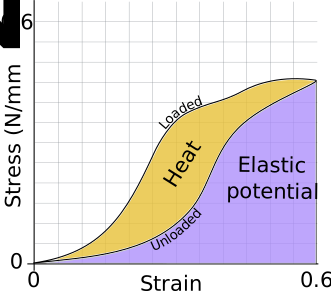
Work And Energy Physics Library Science Khan Academy
Physics Revision 1 22 Practical Investigate How Extension Varies With Applied Force For Helical Springs Metal Wires And Rubber Bands
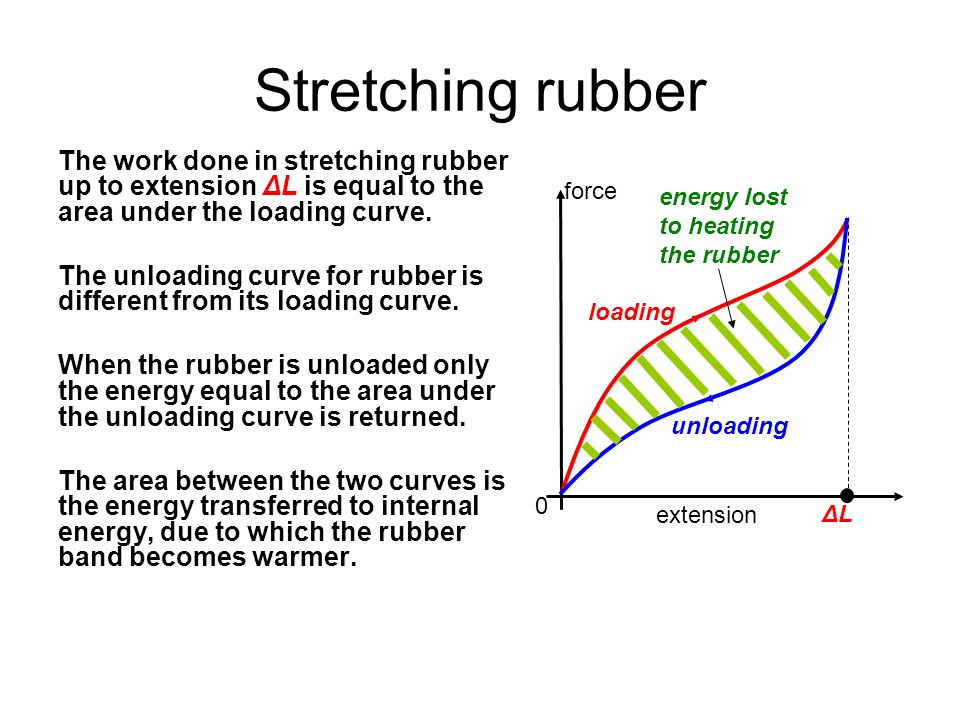
2 2 Materials Materials Breithaupt Pages 162 To Ppt Download
_S01_066_Q01.png)
Img Src Https D10lpgp6xz60nq Cloudfront Net Physics Images Aln
Https Encrypted Tbn0 Gstatic Com Images Q Tbn 3aand9gcsjquayocaufgtr0vicu1bszoqegzysaxezkidx3296s7d 9rxm Usqp Cau
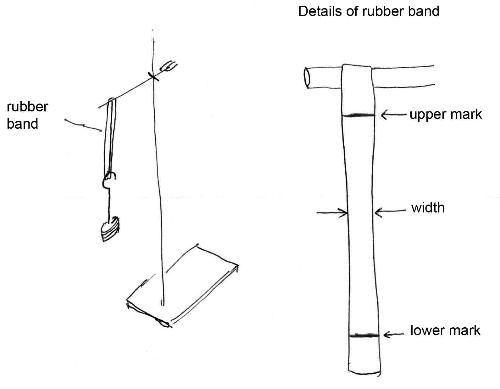
Stretching Rubber Iopspark
Force Extension Graph Whats The Area Underneath Represent The Student Room

Elastic Potential Energy Materials Investigation Hooke S Law Limit Of Proportionality Calculating Energy Stored In Spring Elastic Limit Bending Compression Stretching Experiments Spring Constant F Ke Graphs Analysis Particle Model Igcse Gcse 9 1
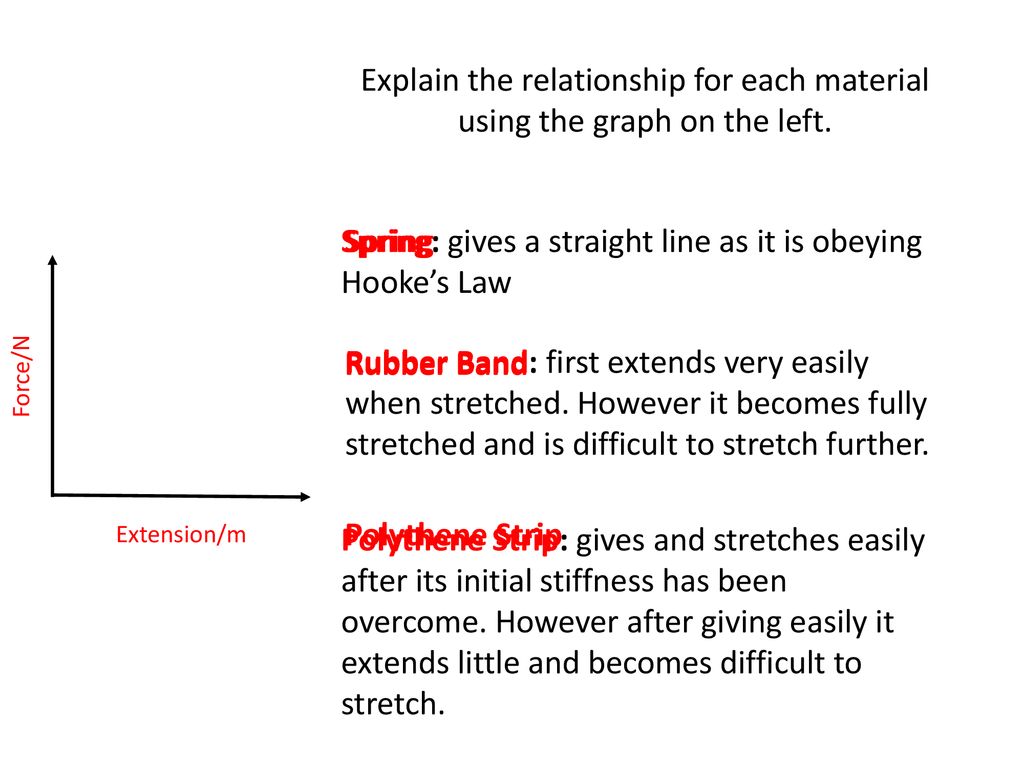
A Level Physics Year 1 Stress Strain Graphs A A B C Ppt Download
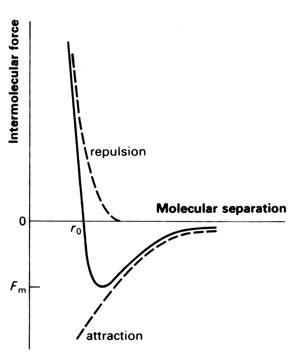
Stretching And Force Iopspark
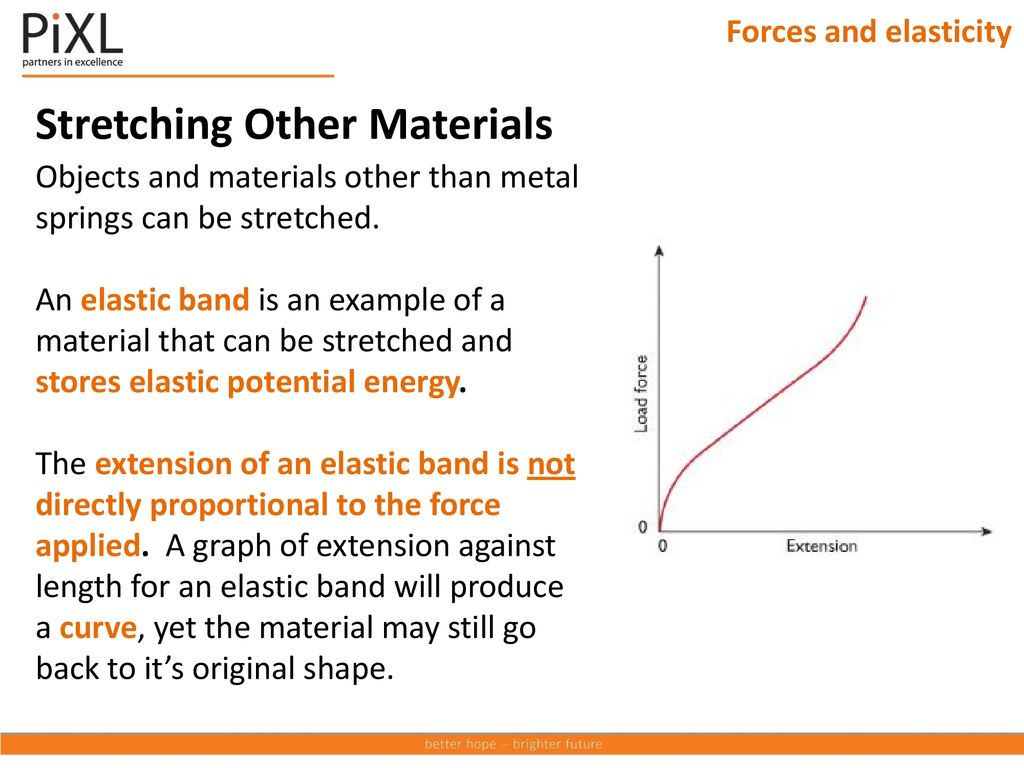
Copyright The Pixl Club Ltd Ppt Download
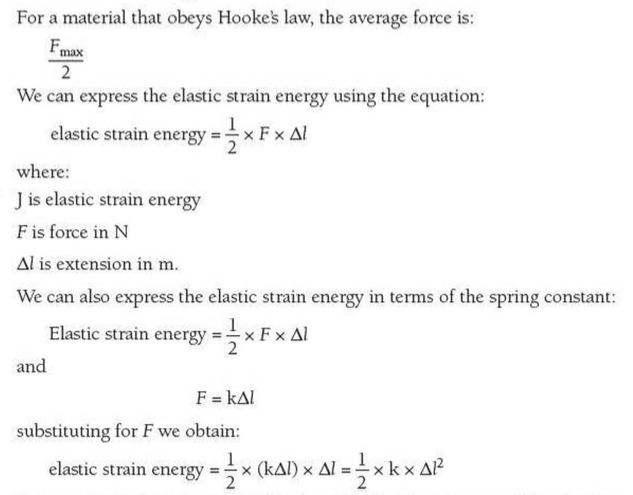
Hooke S Law Digestible Notes
Titel Der Datei

Force Extension Graphs Youtube
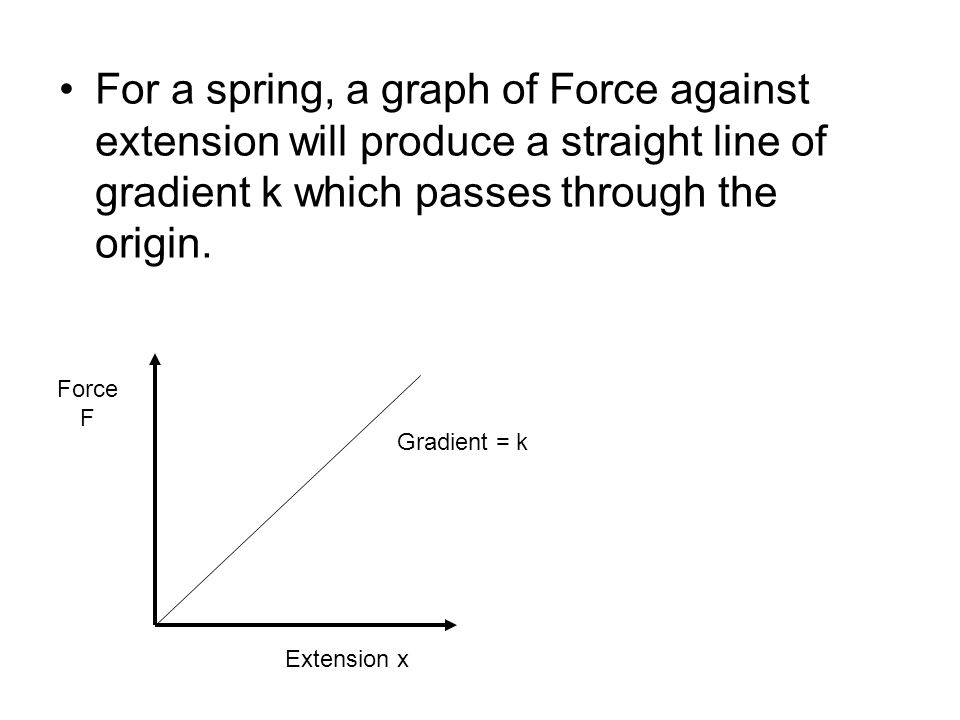
Energy Stored In A Stretched String When Stretching A Rubber Band Or A Spring The More We Stretch It The Bigger The Force We Must Apply Ppt Download
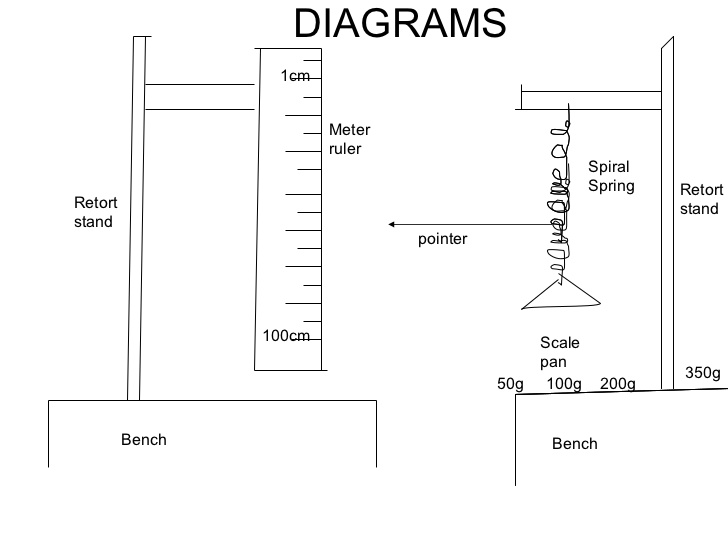
Igcse Physics 1 29 Describe Experiments To Investigate How Extension Varies With Applied Force For Helical Springs Metal Wires And Rubber Bands

Hysteresis With Rubber Bands Pocketlab

Linear Nonlinear Springs Tutorial

Gcse Physics Experiment To Investigate Stretching A Rubber Band Youtube

Stretching Rubber Bands A Level Science Marked By Teachers Com

Https Encrypted Tbn0 Gstatic Com Images Q Tbn 3aand9gctnbbo8331v0alzjg9edzb3bsht6tlxiwz4ia Usqp Cau
Https Studywise Co Uk Wp Content Uploads Module 3 1 3 5 Forces And Motion Pdf
Ppt Cie Igcse Physics Forces Hookes Law Powerpoint Presentation Free Download Id 6032202
Hooke S Law Boundless Physics

P2 1 Forces And Shapes Google Slides

Materials Aqa Physics A Ppt Video Online Download
Https Www Animatedscience Co Uk Wp Content Uploads 2012 05 Chapter 1 Mechanics Freebie Pdf

Investigating Simple Steel Springs Iopspark

